
London, May 8, 2026, 13:10 BST
- Lidl dropped Coupon Plus and rolled out Lidl Plus Points instead, shifting shoppers away from monthly rewards and into a points system managed through its app.
- Some customers complain the revamped rewards mean much heavier spending. Lidl, for its part, insists bonus campaigns will push the value above the base rate.
- UK supermarkets are stepping up loyalty schemes to keep price-sensitive shoppers, just as the change takes effect.
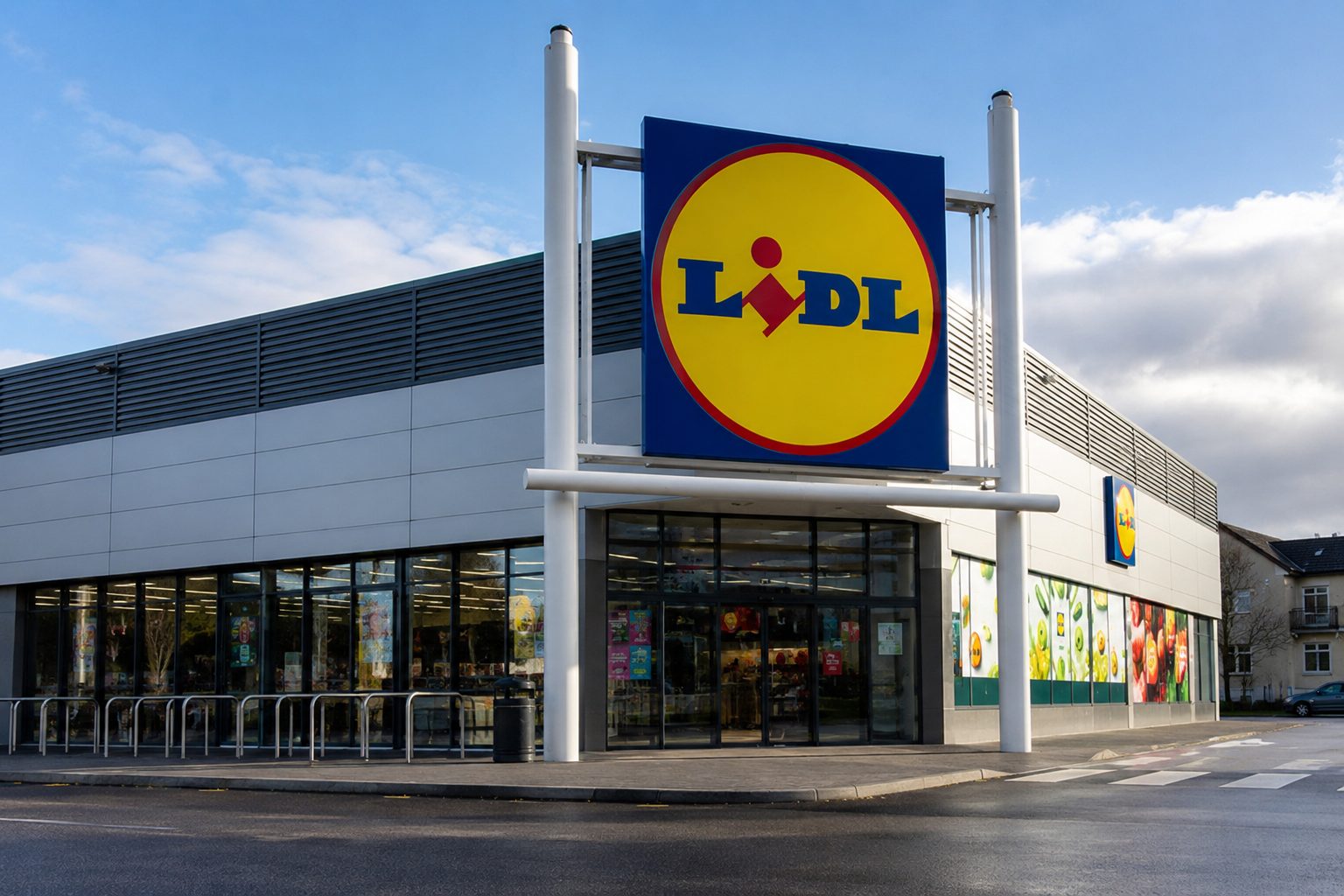
Lidl GB has come under fire from shoppers after ditching its Coupon Plus loyalty program and rolling out Lidl Plus Points. Under the new setup, which went live this week, customers pick up one point for each £1 spent and can redeem those points for discounts or certain products. Instead of hitting monthly spending targets to unlock rewards, users now collect points directly through the Lidl Plus app.
Supermarket loyalty schemes are now one of the fiercest weapons in the UK’s grocery price battle. Over the 12 weeks ending April 19, Lidl notched up an 8.8% sales jump, pushing its market share to a record 8.4%—right up alongside Morrisons, Worldpanel by Numerator figures show, as reported by Retail Gazette.
Price still leads the conversation. Shoppers looking at April baskets saw Aldi on top, charging £172.77 for 96 essentials, according to Which?. Lidl, with its Lidl Plus discounts, came in at £175.20. Tesco’s Clubcard and Sainsbury’s Nectar deals lagged behind. Loyalty price cuts—only for those with the shop’s card or app—keep reshaping the playing field.
Lidl has rolled out a new system: scan your Lidl Plus app at checkout, rack up points, and later pick from product coupons or vouchers in the Rewards Marketplace. Points typically show up the day after shopping—sometimes it takes up to 48 hours—and stick around for two years. As of May 5, Coupon Plus is off the table.
MoneySavingExpert warns the change might force certain customers to shell out tens or even hundreds of pounds extra for similar rewards. The site pointed to one example: under the new system, shoppers would need 70 points—meaning £70 spent at the standard rate—for a pain au chocolat from the in-store bakery. Previously, that same free treat was up for grabs with just £10 of spending per month.
Lidl is pitching the shift as a play for more customer choice, not just a tweak to its existing rewards. Louise Weise, chief customer officer at Lidl GB, said shoppers are looking for “more freedom to decide the rewards that suit them.” She described Lidl Points as simply the “natural evolution” of the app. Retail Times
Lidl is looking to ease customers into the change, rolling out some launch deals. Both new and current shoppers get 100 welcome points through July 31, plus double points on fresh fruit purchases up to May 22, the company’s website and MoneySavingExpert report.
Not everyone’s convinced. MoneySavingExpert picked up comments from a Lidl shopper slamming the new points scheme as “abysmal.” Another customer pointed out the old offer—10% off after spending £250—had been swapped for what they saw as a less generous cash-off option. Moneysavingexpert
Catherine Shuttleworth, retail analyst at Savvy, commented that while the new scheme “feels less generous up front,” it hands Lidl a loyalty programme that’s “more controllable in the longer term.” This gives Lidl the option to target rewards at specific times of the year. The tradeoff? Lidl gets flexibility, but customers lose some certainty. LinkedIn
This shift nudges Lidl’s approach toward what Tesco Clubcard and Sainsbury’s Nectar have been doing for years—member deals, points, tailored savings. Aldi, for its part, keeps going without a major UK loyalty program, yet still led Which?’s price rankings in April.
Lidl faces a risk here: if customers view the new system as a disguised cutback rather than a real choice, trouble could follow. Social media backlash is just one issue. For discounters, even slight doubts about value might send shoppers to Aldi, or push them into Clubcard and Nectar deals with competitors.
Loyalty pricing isn’t getting the pushback some critics anticipated. In 2024, the Competition and Markets Authority reported it saw scant evidence that supermarkets were hiking regular prices just to juice the appeal of loyalty offers. Still, the regulator advised shoppers to stay alert—those deals aren’t always the lowest price.