
MENLO PARK, California, July 5, 2026, 06:01 PDT
- Meta isn’t moving as quickly on AI agents as leaders hoped, Mark Zuckerberg told employees, Reuters said.
- Meta spent $19.84 billion on capex in Q1. The company’s 2026 outlook points to $35.1 billion to $41.7 billion per quarter in capex for the rest of the year.
- Meta jumped 8.8% on July 1 as investors reacted to a reported cloud-compute plan, but the stock dropped 4.9% on July 2 ahead of the U.S. holiday.
- The AI overhaul led to the loss of about 8,000 jobs and moved around 7,000 employees into AI teams.
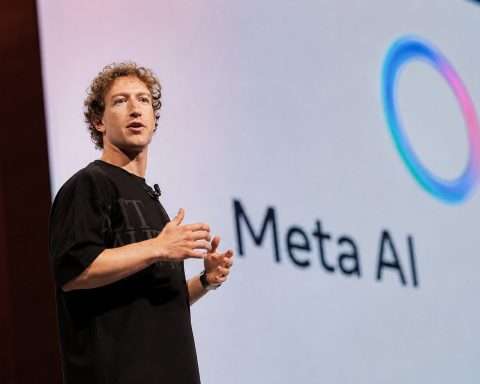
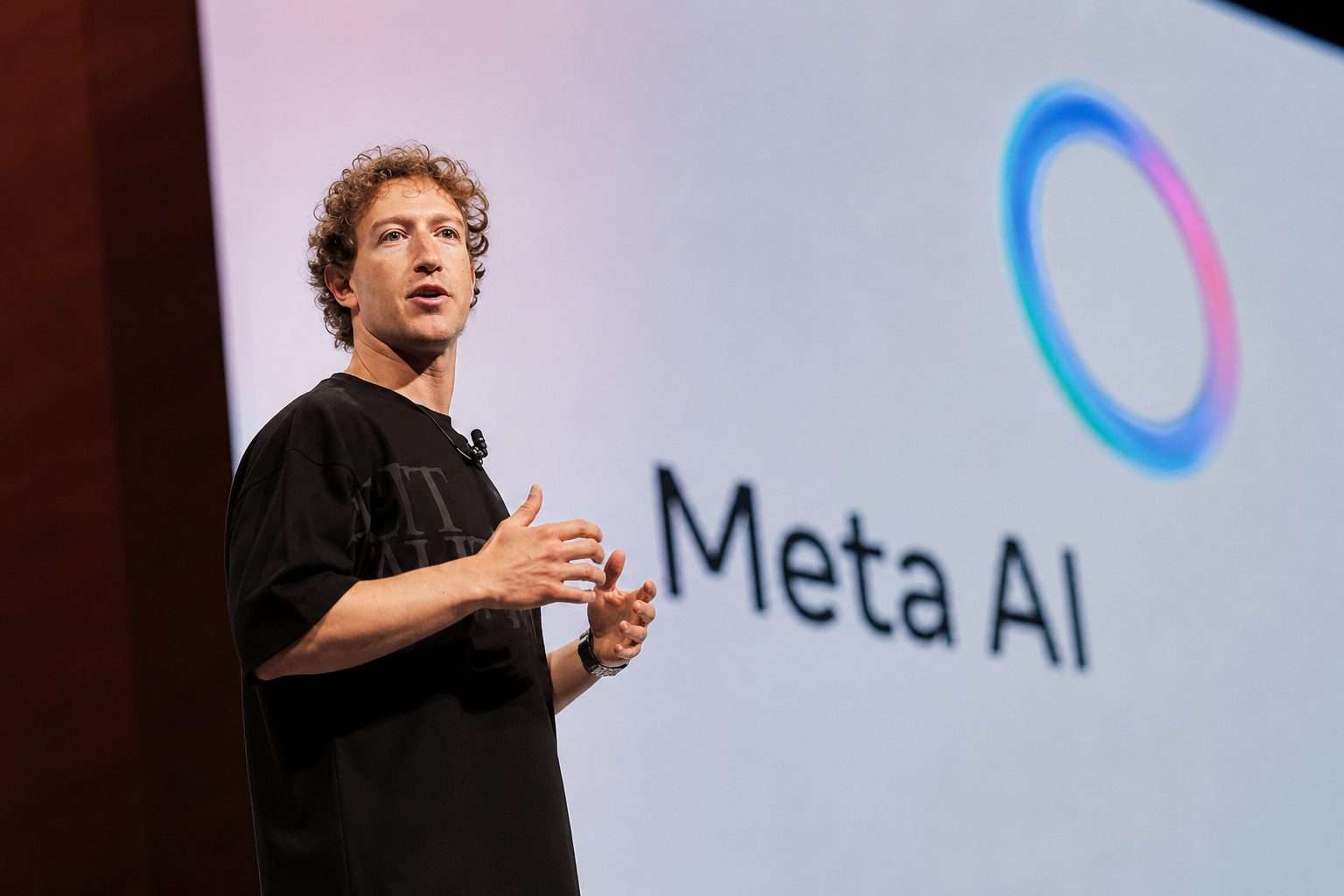
Meta Platforms NASDAQ:META continues to generate cash from its ads, but now faces pressure to show its $125 billion to $145 billion capital spending plan will pay off, as AI agent efforts lag. CEO Mark Zuckerberg told staff at a July 2 town hall that development for these agents over the past four months “hasn’t really accelerated” as planned, according to a recording obtained by Reuters. He added he expects clearer results from its AI investments over the next three to six months. Reuters
The timing is key because the bulk of 2026 spending is still to come. Meta posted $19.84 billion in Q1 capex, $12.39 billion in free cash flow, and $56.31 billion in revenue. The company’s full-year capex forecast points to $105.2 billion to $125.2 billion left to spend after March 31. That is 1.8 to 2.1 times its Q1 capex pace for each of the next three quarters, using Meta numbers and Reuters calculations.
| Meta AI spending and cash-flow check | Reported or calculated figure | Investor read |
|---|---|---|
| Q1 2026 revenue | $56.31 billion | Ad business is still covering AI spending |
| Q1 2026 capex | $19.84 billion | Meta put just 13.7%–15.9% of the annual capex target to work so far |
| Q1 2026 free cash flow | $12.39 billion | If Meta hits the upper end, that’s 11.7 times what Q1 free cash flow delivered |
| 2026 capex guide | $125 billion–$145 billion | Meta lifted guidance from $115 billion–$135 billion |
| Implied capex still to spend after Q1 | $105.2 billion–$125.2 billion | Over 80% of full-year capex left |
| Implied average per remaining quarter | $35.1 billion–$41.7 billion | That’s close to double Q1’s capex, even at the bottom end |
Meta shares are trading on the AI narrative, closing July 1 at $612.91, up 8.8%, after news it was looking to build a cloud business selling extra AI compute. The stock then dropped 4.9% to $582.90 on July 2, still up 3.5% from June 30. The Reuters story on Zuckerberg’s town hall came out after markets closed July 2. Nasdaq was closed July 3 for the holiday and trading picks up again July 6.
| Date | Meta close | Daily move | What investors had in hand |
|---|---|---|---|
| June 30 | $563.29 | +0.12% | Stock hovered at late-June levels |
| July 1 | $612.91 | +8.81% | News broke on AI compute sales plan |
| July 2 | $582.90 | -4.90% | Stock slid before Reuters’ town-hall report, which hit after the close |
Meta Compute may be a hedge. Reuters said, citing Bloomberg News, that as of July 1 Meta was working on a cloud business to sell spare AI computing power. Plans are early. The move could offer developers a way to run models on Meta’s infrastructure or rent AI compute, putting Meta up against Amazon.com NASDAQ:AMZN, Microsoft NASDAQ:MSFT, Alphabet NASDAQ:GOOGL, CoreWeave NASDAQ:CRWV and Nebius Group NASDAQ:NBIS. Meta wouldn’t comment on the story.
Zuckerberg signaled the possibility earlier. On a shareholder call in May, he said that selling compute was “definitely on the table” and that Meta gets approached “almost every week” by outside firms asking about model access or extra compute, according to a Bloomberg story in The Straits Times. “We haven’t done that yet because we think we have a use for the compute,” he told investors. The Straits Times
| Possible Meta offer | Current market comparison | Why it matters |
|---|---|---|
| Hosted model access | Marketplace approach seen at AWS Bedrock | Makes AI infrastructure a direct source of developer revenue |
| Raw GPU/AI compute rental | CoreWeave and Nebius run this Neocloud model | Lets spare GPU capacity get monetized quicker than consumer AI solutions |
| Internal AI agents | Used for automation inside Facebook, Instagram, WhatsApp parent | Outcome relies on agent strength and internal take-up |
D.A. Davidson managing director Gil Luria told Reuters the neoclouds could take the bigger hit, saying Meta “may not need them anymore” if it runs workloads in-house. Luria said the plan sounded “very similar” to SpaceX renting out compute. Shares of CoreWeave dropped 10.8% and Nebius lost 12.4% on July 1 after the news, according to Reuters. Reuters
Workforce numbers are now in focus for investors. Meta cut about 10% of jobs in May, moved around 7,000 people into AI teams, and axed 6,000 open positions. Headcount was 77,986 at March’s end, so close to a fifth of staff were affected by the layoffs and transfers. Reuters said some of the new teams will work on AI agents doing jobs handled by humans today.
TechCrunch took a sharper tone, saying Meta’s move to swap workers for AI isn’t easy, at least not judging by Meta’s troubles. Inc. columnist Marcel Schwantes pointed at some of the same issues, linking the reshuffle to a trust issue and mentioning job cuts, AI moves, thinner management layers and weak morale at the company.
Meta has run into a data-control issue internally. Reuters said the company stopped using mouse-tracking software for its AI training after a security review. CTO Andrew Bosworth told staff no employee data had been used in AI training and any restart would require opt-in. The Times of India, picking up Wired’s earlier reporting, said Bosworth called the Applied AI division’s rollout “atrocious.” Reuters
Meta’s Q1 results give Zuckerberg some leeway, but the clock is ticking. Revenue climbed 33% from a year ago. Average ad prices were up 12%. Cash and marketable securities totaled $81.18 billion. Meta reaffirmed it sees 2026 operating income topping 2025. In the same report, Meta upped its capex forecast by $10 billion on both ends, pointing to pricier components and more spending on data centers to build out capacity.
Related articles: NASDAQ:META