
Cupertino, April 21, 2026, 12:32 PDT
Apple is winding down support for Intel-based Macs, with macOS Tahoe 26 marking the end of the line for major Intel updates. Starting with macOS 27, only Macs powered by Apple silicon will make the cut. The development resurfaced in coverage from April 20-21, as anticipation builds for what’s next in Mac software.
Timing is key here. Apple’s WWDC26 lands June 8-12, with the keynote plus Platforms State of the Union all set for June 8—the day it usually unveils OS updates for developers.
Consumers, schools, and IT admins now face a tight window to figure out next steps for their still-operational Intel MacBook Pro, iMac, and Mac Pro models. App support, security policies, and testing strategies all hinge on the macOS version—well before the underlying hardware gives out.
Apple locked in the cutoff. During WWDC25, Matthew Firlik, senior director of developer relations at Apple, told developers point-blank: macOS Tahoe “will be the final release for Intel Macs.” He pressed them to “migrate to the Apple silicon versions of your apps.” Apple Developer
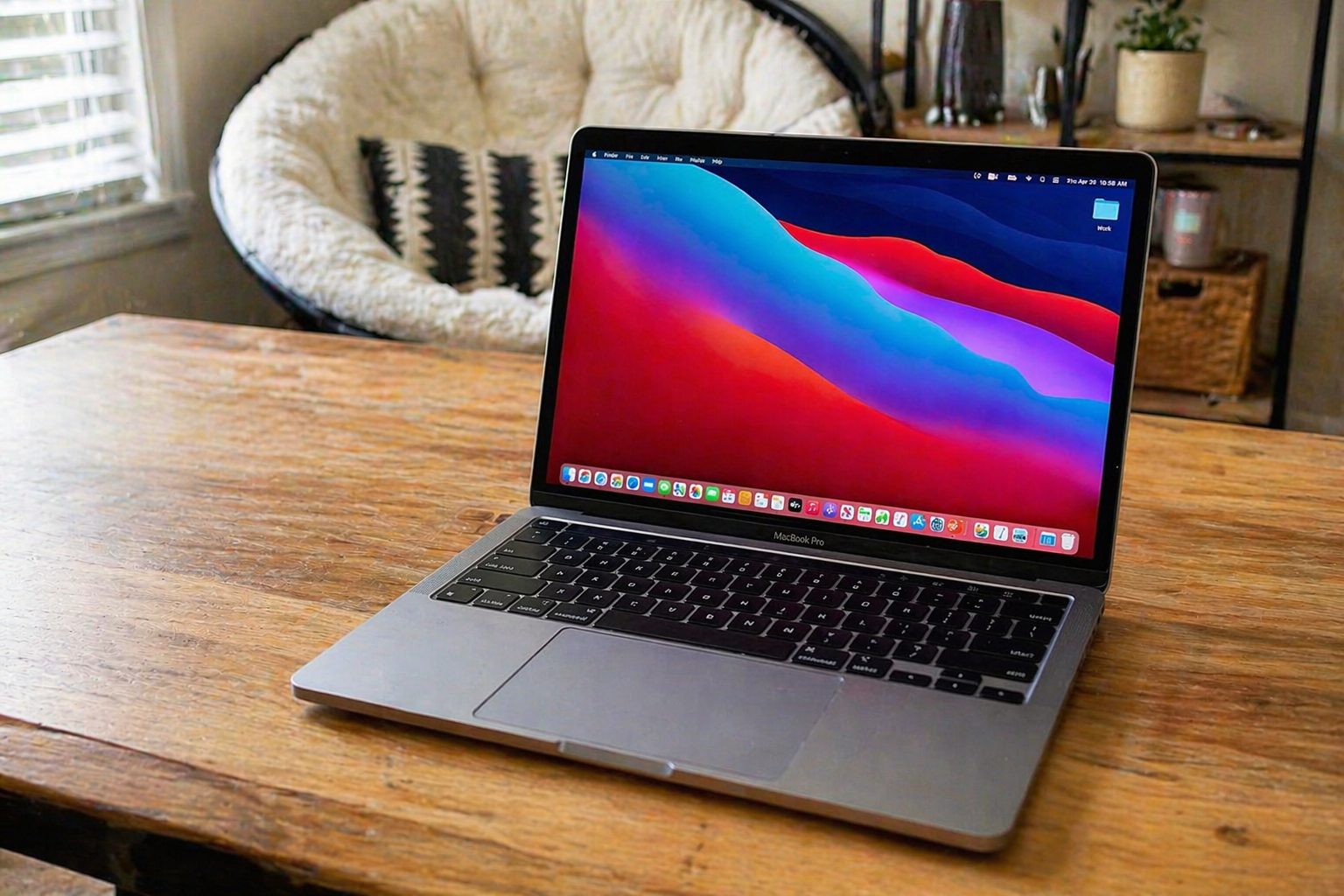
Apple’s Tahoe compatibility page lays it out: just a handful of Intel-based Macs are still in the mix. The lineup includes the 16-inch MacBook Pro from 2019, the 2020 13-inch MacBook Pro with its four Thunderbolt 3 ports, the 27-inch Retina 5K iMac (2020), and the 2019 Mac Pro. Those are the Intel systems cleared for macOS Tahoe 26.
According to MacRumors, Intel models are set to lose compatibility with macOS 27. The publication notes the beta should land in June, with a broader rollout expected come September. Details on exactly which Apple silicon machines make the cut are still pending.
This wraps up a five-year transition in Apple’s chip strategy. The company rolled out its debut in-house Mac processor back in 2020, then finished the full switch from Intel chips last year with the Apple silicon Mac Pro. Lauren Klug, a spokesperson for Apple, told The Verge in 2023 that Intel Macs still compatible with macOS Tahoe would get security updates for three more years.
One more major update lands for Tahoe users. According to Apple, macOS Tahoe 26 brings a refreshed interface, a Phone app on Mac, Live Activities carried over from iPhone, an upgraded Spotlight, and expanded Apple Intelligence—but Apple Intelligence is off-limits unless you’re running newer Apple silicon.
The cutoff extends beyond just the operating system. Apple has begun alerting users about the future of Rosetta 2—the tool that enables Intel-based apps to function on Apple silicon machines. According to MacRumors, support for these apps will largely disappear once macOS 27 rolls out, though certain exceptions remain for legacy games and select Linux virtual machines.
Users now face a potentially chaotic transition. Sure, security updates might extend the life of some Intel Macs, but vendor support for paid apps, plug-ins, device drivers, and even peripherals could disappear unpredictably—particularly after developers begin to shift Intel off their primary Mac roadmap.
Apple ends up with a tidier platform than plenty of its PC competitors. Microsoft continues to roll out Copilot+ PC features for AMD, Intel, and Snapdragon devices, while Qualcomm touts its Snapdragon X laptops’ battery life, speed, and on-device AI. Apple, though, is doubling down on its own silicon, tightening the scope of macOS development to just its in-house chips.
Intel Mac users aren’t facing an urgent cutoff, but the writing is clear. Tahoe marks the end of the line for full macOS upgrades; after that, macOS 27 belongs to Apple silicon. The real deadline to watch: June 8.