Economics 3 March 2026 - 7 March 2026

Bogota Financial Shares Steady; Deposit Data Draws Attention

Bogota Financial Shares Steady; Deposit Data Draws Attention

Bogota Financial Corp. shares rose to $8.40 on Wednesday with just 853 shares traded, after filings showed deposits fell 7.9% to $600.9 million and wholesale borrowings jumped 24.2% to $115.9 million. First-quarter net income dropped to $706,000, while net interest margin improved to 2.20%. Shareholders re-elected two directors and approved executive pay at the May 14 meeting.
May 20, 2026
BHP Group Ltd Faces Wider China Iron Ore Curbs as Contract Standoff Deepens

BHP Group Ltd Faces Wider China Iron Ore Curbs as Contract Standoff Deepens

China Mineral Resources Group has expanded restrictions on BHP iron ore cargoes, now including Mac fines, Newman fines, and Newman lumps, amid a contract dispute. Stocks of BHP’s Jimblebar cargoes at Chinese ports hit a record 9.8 million tons by Feb. 26, up 457% since September. Canberra is monitoring the situation as iron ore is Australia’s top export. BHP declined to comment; CMRG did not respond.
March 6, 2026
Oil prices jump on Iran war as Hormuz logjam lifts Brent above $84, WTI near $79

Oil prices jump on Iran war as Hormuz logjam lifts Brent above $84, WTI near $79

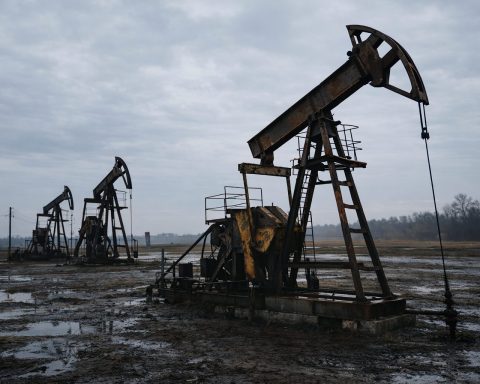
Oil prices surged over 3% Thursday as the U.S.-Israeli war with Iran halted shipping through the Strait of Hormuz for a fifth day, stranding about 200 tankers and cutting Iraq’s output by 1.5 million barrels per day. Brent rose to $84.32 a barrel, WTI to $79.06. Qatar declared force majeure on LNG exports. Goldman Sachs raised its Brent forecast by $10, warning a price spike could slow global growth.
March 5, 2026
Standard Chartered raises 2026 Brent forecast as Hormuz shock keeps oil above $80

Standard Chartered raises 2026 Brent forecast as Hormuz shock keeps oil above $80

Standard Chartered raised its 2026 Brent crude forecast to $70 a barrel, citing risks from Middle East conflict and disrupted shipping. Brent traded at $83.84 early Thursday as trade through the Strait of Hormuz remained halted and Iraq cut output by 1.5 million barrels a day. War-risk insurance costs have surged five-fold. Goldman Sachs and UBS also lifted oil price forecasts, warning prices could top $100 if disruptions persist.
March 5, 2026
Dollar back in favor as Iran war jolts energy prices and flips euro bets

Dollar back in favor as Iran war jolts energy prices and flips euro bets

Options traders pushed the euro to its weakest in over a year as Europe’s energy crisis deepened and the Iran war lifted oil prices. The dollar index touched its highest since November before easing 0.3% to 98.83 Wednesday, while the euro rose 0.2% to $1.1632. Funds cut short-dollar trades, and strategists warned of a potential funding squeeze if demand for dollars intensifies.
March 5, 2026
Bitcoin price jumps back above $73,000 as ETF inflows return and Iran war headlines drive swings

Bitcoin price jumps back above $73,000 as ETF inflows return and Iran war headlines drive swings

Bitcoin rose above $73,000 on Wednesday, gaining 7.3% to $73,294 after volatile trading. Ether climbed 8.5% to $2,151. U.S. spot bitcoin ETFs saw net inflows of $458.2 million and $225.2 million on March 2 and 3, led by BlackRock’s IBIT. U.S. stocks rebounded after reports of Iranian outreach to the U.S. amid ongoing conflict and oil market jitters.
March 4, 2026
Korea stocks crash 12% as Iran war spikes oil and rewrites rate-cut bets

Korea stocks crash 12% as Iran war spikes oil and rewrites rate-cut bets

South Korea’s KOSPI plunged 12% Wednesday, its largest one-day drop on record, as chip stocks tumbled and the Iran conflict sent oil prices higher. Samsung Electronics and SK Hynix each fell about 20% this week. Wall Street and Asian markets saw sharp swings, with traders focused on the Strait of Hormuz and inflation risks. Europe stabilized, but Spain lagged after U.S. trade threats linked to Iran.
March 4, 2026
NatWest shares steady after buyback update, with oil shock clouding UK rate bets

NatWest shares steady after buyback update, with oil shock clouding UK rate bets

NatWest shares rose 0.2% to 587.2 pence by 09:44 GMT after two days of sharp losses, following news of a fresh share buyback. The bank bought over 1 million shares late Tuesday at an average 585 pence each for cancellation. Investors remain focused on oil-driven inflation and Bank of England rate signals. Lloyds and Barclays also traded higher after recent declines.
March 4, 2026
NAB share price slides after GDP surprise and oil spike puts RBA hike back in play

NAB share price slides after GDP surprise and oil spike puts RBA hike back in play

National Australia Bank closed down 2.0% at A$46.68 Wednesday as Australian bank stocks fell amid rising oil prices and renewed inflation fears. The ASX 200 dropped 1.9% for its worst session since early February. Markets now price a 30% chance of a rate hike at the March 17 RBA meeting after stronger-than-expected GDP data. No new NAB-specific news was reported.
March 4, 2026
Caterpillar stock slides 4% after oil shock rattles cyclicals — what could move CAT next

Caterpillar stock slides 4% after oil shock rattles cyclicals — what could move CAT next

Caterpillar shares fell about 4% to $722.18 in after-hours trading Tuesday, extending losses as oil prices surged on Middle East conflict and investors retreated from industrial stocks. Brent crude settled up 4.7% at $81.40 a barrel, its highest in over a year. The Dow closed down 0.8%, S&P 500 lost 0.9%. Deere, GE Aerospace, and Paccar also declined in late trade.
March 4, 2026
JPMorgan stock ticks up after hours as oil surge lifts yields; jobs report and Fed meeting ahead

JPMorgan stock ticks up after hours as oil surge lifts yields; jobs report and Fed meeting ahead

JPMorgan Chase shares rose 0.9% to $300.26 in after-hours trading Tuesday as Treasury yields climbed and traders pushed back expectations for a Fed rate cut to September. Wall Street closed lower on concerns the Middle East conflict could fuel inflation. The S&P 500 fell 0.94%. Investors are awaiting U.S. jobs data on March 6 and the Fed’s policy meeting later this month.
March 4, 2026
Oil prices surge 8% as Strait of Hormuz disruption deepens; Brent tops $83

Oil prices surge 8% as Strait of Hormuz disruption deepens; Brent tops $83

Oil prices jumped about 8% Tuesday as the U.S.-Israel air war against Iran blocked shipments through the Strait of Hormuz, now closed for a fourth day. Brent hit $83.81 a barrel, its highest since July 2024, while U.S. gasoline and diesel futures surged past $3 a gallon. Iraq cut output by over 1 million barrels per day. President Trump is reviewing options to control energy prices, including use of the Strategic Petroleum Reserve.
March 3, 2026
Oil hits 19-month high as Iran war rattles global stocks and delays rate-cut hopes

Oil hits 19-month high as Iran war rattles global stocks and delays rate-cut hopes

Global stock markets fell sharply Tuesday as the U.S.-Israeli conflict with Iran disrupted oil shipping and pushed Brent crude up 7% to $83.44 a barrel. The FTSE 100 dropped 2.6%, Japan’s Nikkei 3.1%, and South Korea’s Kospi 7.2%. UK gas prices jumped 30% after Iran attacked five ships in the Strait of Hormuz, halting most tanker traffic. Investors delayed expectations for central bank rate cuts in the UK and U.S.
March 3, 2026
1 5 6 7 8 9 13

Stock Market Today

  • Australian Job Mobility Hits Record Low Amid Rising Economic Uncertainty
    May 24, 2026, 3:48 PM EDT. Australian job mobility has declined sharply, with only 7.7% of workers changing jobs in the year to February 2025, down from nearly 20% in 1989. Economic indicators reveal Australians are increasingly risk-averse, hesitant to move jobs, start businesses, or relocate between states. Factors include housing costs, the burden of large mortgages averaging $700,000, and a tightening labor market. Research from the e61 Institute highlights a fall in self-employment to a 20-year low of 14%, as more workers opt for wage jobs offering greater security through benefits like superannuation and paid leave. Business strategist Kate McCready attributes this shift to fears over job retention amid technological advances like AI and global uncertainties. The trend suggests Australians are 'stuck' in current roles, limiting labor market dynamism.