Space Exploration 9 August 2025 - 21 January 2026

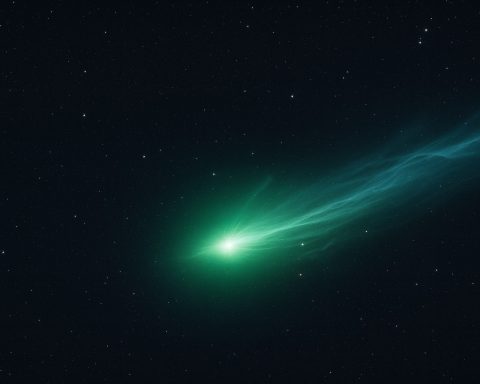
NASA interrupts TESS survey to track interstellar comet 3I/ATLAS as SPHEREx spots stronger gases

NASA interrupts TESS survey to track interstellar comet 3I/ATLAS as SPHEREx spots stronger gases

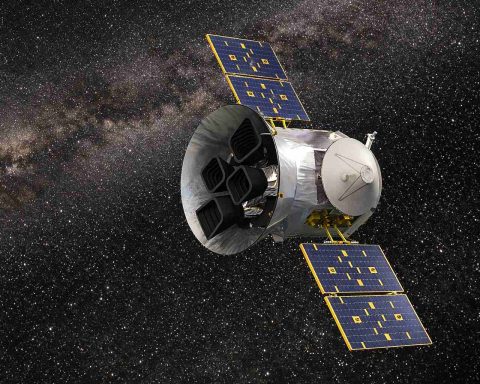
NASA redirected its TESS satellite to observe interstellar comet 3I/ATLAS from Jan. 15–22, interrupting its regular schedule. SPHEREx data show the comet’s activity surged after its October perihelion, with emissions of carbon monoxide, water vapor, cyanide, and organics increasing sharply. 3I/ATLAS, discovered in July 2025, is only the third known interstellar object. Data from the TESS campaign will be publicly released.
January 21, 2026
Comet 3I/ATLAS Today (15 November 2025): ESA Path Update, Tail Revival, Radio Signals and Alien Claims Explained

Comet 3I/ATLAS Today (15 November 2025): ESA Path Update, Tail Revival, Radio Signals and Alien Claims Explained

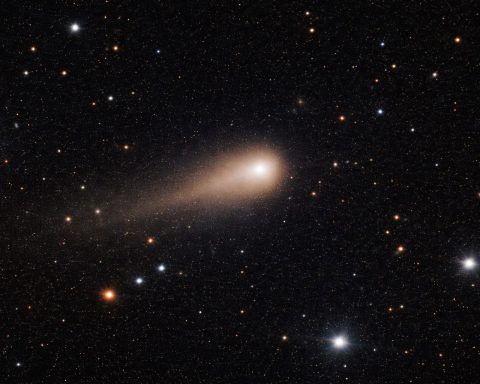
New images confirm interstellar comet 3I/ATLAS survived its close pass behind the Sun, remaining intact and active as of 11 November. The European Space Agency has refined its orbital path using data from the ExoMars Trace Gas Orbiter. Some astronomers continue to debate whether the comet’s behavior could indicate artificial origins, though most experts attribute it to natural processes.
November 15, 2025
Cosmic Gold Rush

Cosmic Gold Rush: Inside the 2025 Race to Harvest Asteroid Riches

NASA’s OSIRIS-REx returned 121.6 grams of asteroid Bennu material to Earth in 2023, the largest sample yet. The Psyche mission, launched in 2023, targets the metal-rich asteroid 16 Psyche, valued at $10,000 quadrillion, for a 2026 rendezvous. AstroForge received the first FCC deep-space mining license in late 2024 and plans two asteroid missions in 2025. China launched Tianwen-2 on May 29, 2025, to collect samples from Kamoʻoalewa.
August 19, 2025
Asteroid Classifications and Their Mining Potential

Asteroid Minerals: Mining C-Type, S-Type & M-Type Space Rocks Worth Trillions

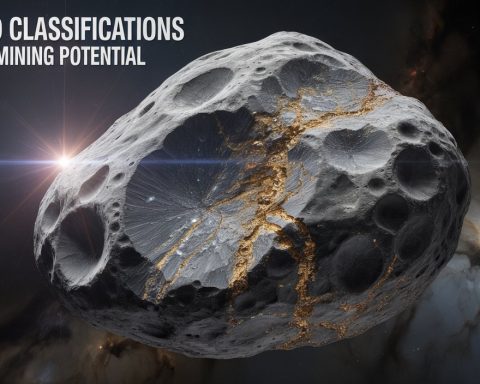
C-type asteroids make up over 75% of known asteroids and are rich in water and organics, while S-types contain significant metals including platinum and gold. M-type asteroids, though rare, hold vast iron-nickel and platinum-group metals. NASA's Psyche mission launched in 2023 to study asteroid 16 Psyche, and OSIRIS-REx returned Bennu samples in 2023. Launch costs have dropped below $2,000 per kilogram.
August 17, 2025
Satellites Powered by Water

Satellites Powered by Water? The Revolutionary Propellant Changing Spaceflight

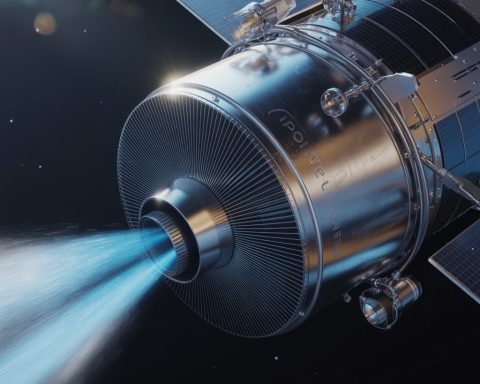
Momentus Space’s Vigoride-5 raised its orbit by 3 km in January 2023 using a microwave electrothermal thruster powered by water. HawkEye 360 and Capella Space began commercial use of water thrusters in 2018, with BlackSky Gen-2 joining by 2024. ArianeGroup plans a dual-mode water engine demo in 2026. Pale Blue’s water ion thrusters launched in 2024, with further tests set for 2025.
August 16, 2025
Asteroid Mining

The New Gold Rush: How Asteroid Mining Could Create Trillionaires and Change Earth’s Future (2025 Update)

NASA’s OSIRIS-REx returned 250 grams of Bennu material in 2023, revealing water-rich clays and organics. The DART mission altered Dimorphos’s orbit by 32 minutes in 2022. Psyche launched in 2023 to a metal-rich asteroid valued at $10,000 quadrillion, with arrival set for 2026. China’s Tianwen-2 and AstroForge’s Odin and Vestri missions target asteroid sample return and mining by 2027.
August 14, 2025
Guide to Satellite Earth Monitoring

Complete Guide to Satellite Earth Monitoring: How Space Tech Is Watching Our Planet Now

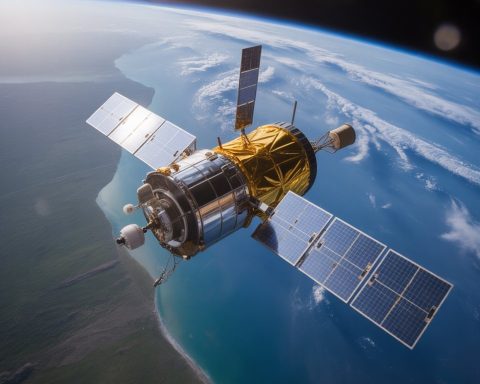
Landsat-1, launched in 1972, began continuous satellite mapping of Earth's land. By 2008, over 150 Earth observation satellites were in orbit, collecting more than 10 terabits of data daily. ESA’s Copernicus program, active since 2014, delivers over 25 terabytes of free data each day. NASA-ISRO’s NISAR radar mission is scheduled for launch in late 2024 or 2025.
August 10, 2025
How Reusable Rockets Are Revolutionizing Space Travel

Launch, Land, Repeat: How Reusable Rockets Are Revolutionizing Space Travel

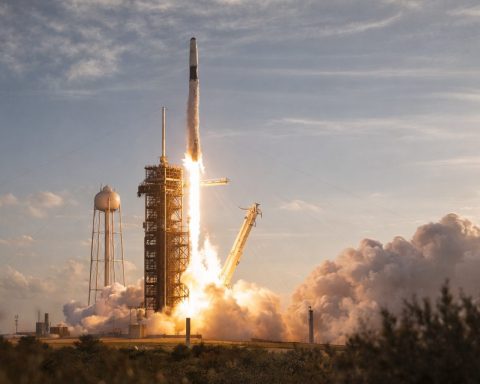
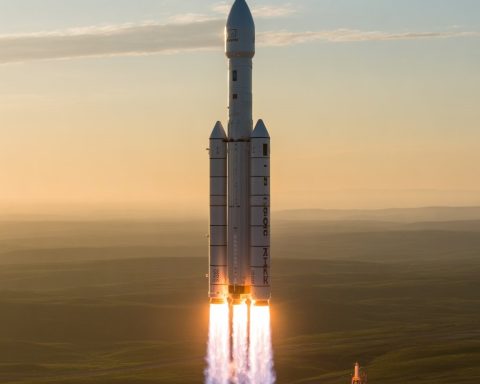
SpaceX’s Falcon 9 achieved the first orbital-class booster landing in December 2015 and the first drone-ship landing in 2016. By 2023, SpaceX had over 170 booster landings, with some boosters flying up to 16 times. On June 6, 2024, Starship completed its first orbital flight, landing in the Indian Ocean. Blue Origin resumed New Shepard passenger flights in December 2023 after an engine redesign.
August 9, 2025