
Chicago, April 20, 2026, 09:34 CDT
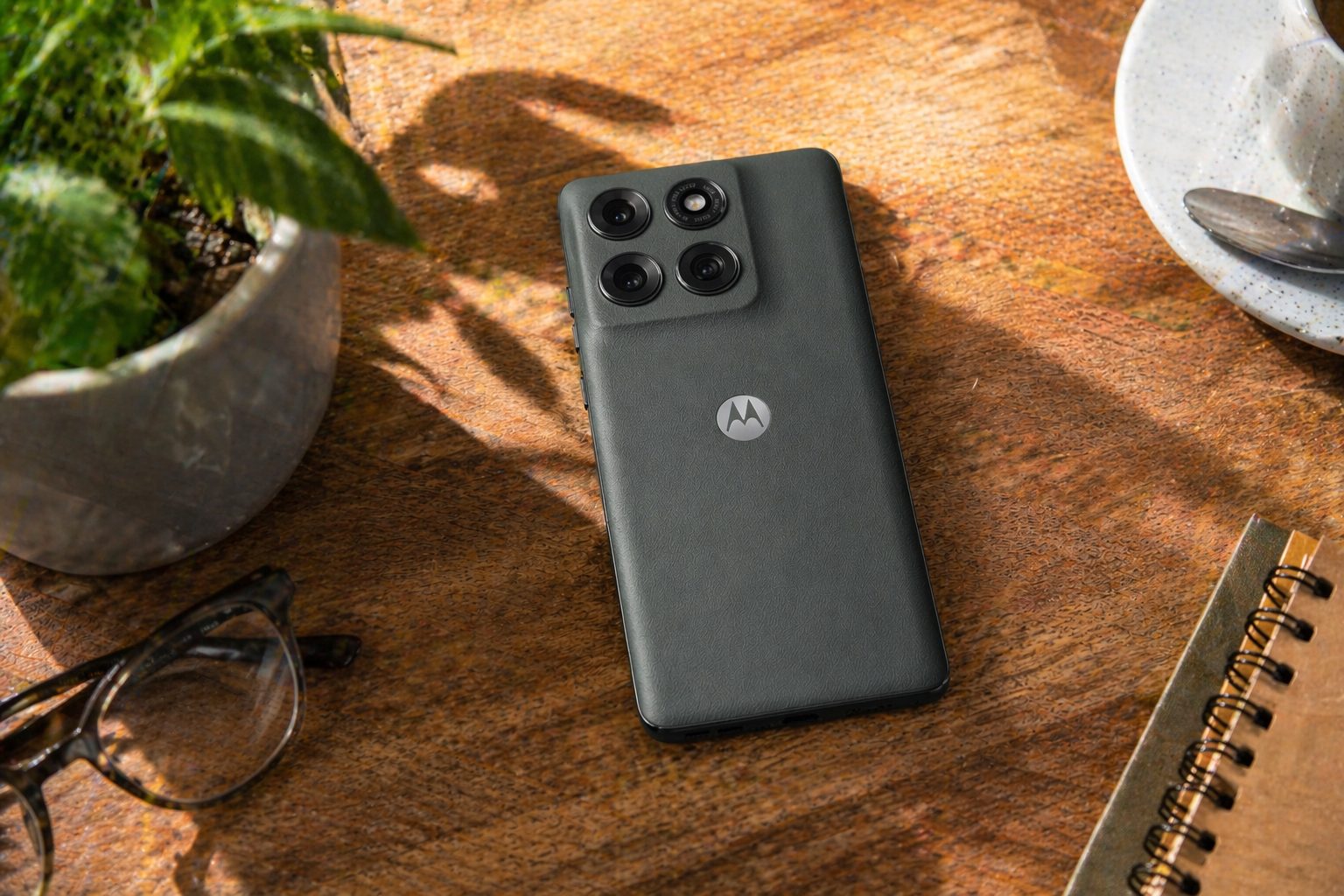
Motorola’s Android 17 beta is now rolling out to a wider range of its top-end devices, with the Razr+ 2025, the Razr+ 2024—known as the Razr 50 Ultra in certain markets—and the Edge 50 Ultra all making the cut for this limited-access trial. That places two foldables, along with the flagship Edge, into Android 17’s early test pool in select regions.
Timing is key here. Last week, Google announced Android 17 hit Beta 4—the final planned beta release, and what the company’s Dan Galpin called a “critical milestone” for both app compatibility and platform stability in his post. Beta versions like this one are pre-release builds, intended to surface bugs ahead of the official rollout. Android Developers Blog
Motorola’s reputation among Android brands is on the line here. Users have often knocked the company for sluggish software updates, but this cycle, PhoneArena pointed out, Motorola jumped ahead of the pack—becoming the first non-Google phone maker to roll out an Android 17 beta program.
The rollout isn’t a general public release. Instead, Motorola taps applicants through its community forum and the Motorola Feedback Network, or MFN—the company’s testing hub—before pushing out the update. According to Android Authority, device and region restrictions still apply.
Gizmochina points out that Motorola’s forum posts show the Razr+ 2025 and Razr+ 2024 are coming to the U.S., while the Razr 50 Ultra is named for India, EMEA, Latin America, and Brazil. Edge 50 Ultra lands in those same markets: India, EMEA, Latin America, and Brazil. EMEA stands for Europe, the Middle East and Africa.
Motorola’s move expands on the beta program it kicked off back in February, opening up just after Google rolled out its initial Android 17 beta. At first, as Android Authority highlighted, signups were limited to the Motorola Edge 2025 in the U.S., while some Moto G57 variants got access elsewhere.
According to Google’s Android 17 release notes, Beta 4 landed April 16, tagged as build CP21.260330.008 and carrying the April 5 security patch. New in this update: app memory limits aimed at stopping severe memory leaks, plus tweaks affecting both background audio and local network access.
The user steps aren’t especially complicated, though there’s no promise of entry. According to reports, anyone interested needs a Motorola community account, must register their device’s IMEI or serial number, opt in for MFN, pick the correct test, then wait for an approval email. If they get the green light, the beta arrives as an over-the-air update — a direct software push to their phone.
The risk isn’t negligible. Android Authority flags possible battery problems, broken features, and app crashes with beta builds. Google’s own Pixel beta page echoes the warning—pre-release versions might have errors or defects that disrupt regular use. Not everyone gets in, either; Motorola screens applicants.
The competitive picture isn’t complicated, but it’s hardly closed. Google keeps the keys to the Android timeline, with Pixel still the gold standard. Samsung, though, is the benchmark for Android updates in a lot of users’ minds. Motorola jumping out early with its beta helps its image, though that only goes so far—it’s the rollout of stable Android 17, split by device, carrier, and geography, that will actually move the needle.
So far, Motorola is widening Android 17 testing, but not for everyone. Razr and Edge users in certain regions are getting first access; the rest remain on hold, stuck with the standard release process—timing that varies by device, carrier, and where you live.