LONDON, March 23, 2026, 20:48 GMT
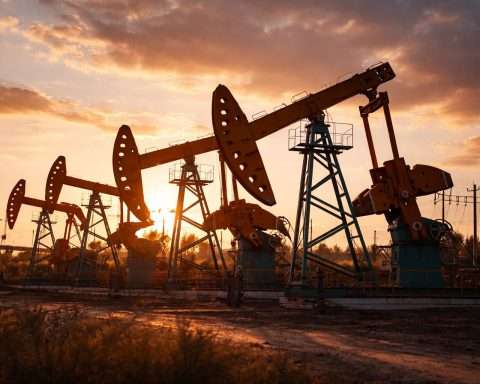
Shell and BP, the FTSE 100 names most directly geared to an oil spike, lost ground on Monday as Brent crude settled at $99.94 a barrel after U.S. President Donald Trump postponed planned strikes on Iranian power plants for five days. The FTSE 100 recovered from much steeper losses but still closed down 0.2%, while Shell fell 4.2% and BP 2.2%. 1
That reversal matters because last week’s rush into UK oil majors had turned them into the market’s clearest shelter from a war-driven energy shock, even as broader doubts grew over whether oil above $100 could puncture the market’s optimism. Monday’s pullback showed how quickly that view can unwind when the crude price, not company news, is doing most of the work. 2
The backdrop was set on March 19, when Iran struck Qatar’s Ras Laffan complex. Brent briefly hit $119 and European gas prices surged 35% as investors started to price a prolonged energy squeeze; the Stoxx Europe 600 fell 2.8% and the S&P 500 lost 0.9%. Ras Laffan processes around a fifth of the world’s liquefied natural gas, or LNG, the super-chilled fuel shipped by sea. 3
One Monday stock-picking article in Britain framed the question bluntly: were there really only two FTSE 100 stocks to consider buying as oil and gas rose? The market’s own answer has largely been Shell and BP, because few London blue chips gain as directly from higher crude and gas prices. 4
Still, neither stock is a clean shelter. Reuters has reported that Shell is a partner in the damaged Pearl gas-to-liquids plant at Ras Laffan, which turns gas into fuels, while ExxonMobil is involved in damaged LNG facilities there and TotalEnergies is among the other major foreign investors in Qatari gas projects. 5
Nicolai Tangen, chief executive of Norway’s $2.1 trillion wealth fund, said last week that markets were “very resilient and complacent.” David Rees, head of global economics at Schroders, said current oil and gas prices were already enough to add about 1% to UK headline inflation in coming months. 6
That inflation channel is what keeps this story bigger than two stocks. The Bank of England held rates on March 19 as the energy shock built, and by Monday investors had at one stage priced in roughly four quarter-point increases this year before trimming that back to around three as crude slumped; gilt yields, benchmark UK government borrowing costs, briefly hit their highest since 2008, and Prime Minister Keir Starmer convened an emergency meeting with finance minister Rachel Reeves and Governor Andrew Bailey. 7
But the relief trade may not last. Iran denied there had been talks with Washington even as Trump cited “major points of agreement,” and Goldman Sachs on Sunday raised its 2026 Brent forecast to $85 a barrel, saying March and April could still average $110 and that a severe disruption could push prices to $135. 1
Industry executives are still warning that the damage runs deeper than the latest move in crude. TotalEnergies chief Patrick Pouyanne said on Monday that the consequence was “not only high energy prices” and would also hit other supply chains, while International Energy Agency head Fatih Birol has said the shock is worse than the two oil shocks of the 1970s put together. 8
For now, Shell and BP remain the FTSE 100’s quickest way to express a view on oil. Monday’s drop showed the limits of that bet: if diplomacy sticks, the upside narrows fast; if damage in Qatar and disruption around the Strait of Hormuz prove lasting, the wider market may find that the real story is inflation, not outperformance by a pair of energy majors. 9