
BERLIN, June 28, 2026, 15:06 (CEST)
- Lower Saxony is pressing Volkswagen to start making car models developed in China at its German plants, aiming to boost plant utilization and job security.
- Volkswagen is considering cutting as many as 100,000 jobs and could shutter four plants in Germany, sources told Reuters.
- VW preference shares finished at 74.28 euros on Xetra. The stock is down 7.66% in the past five days, dropping 28.27% since Jan. 1.
- The investor focus is capacity. VW is losing share in China, but cars developed in China could end up filling production lines in Germany.
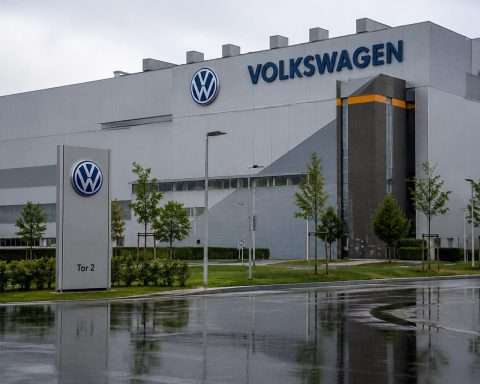
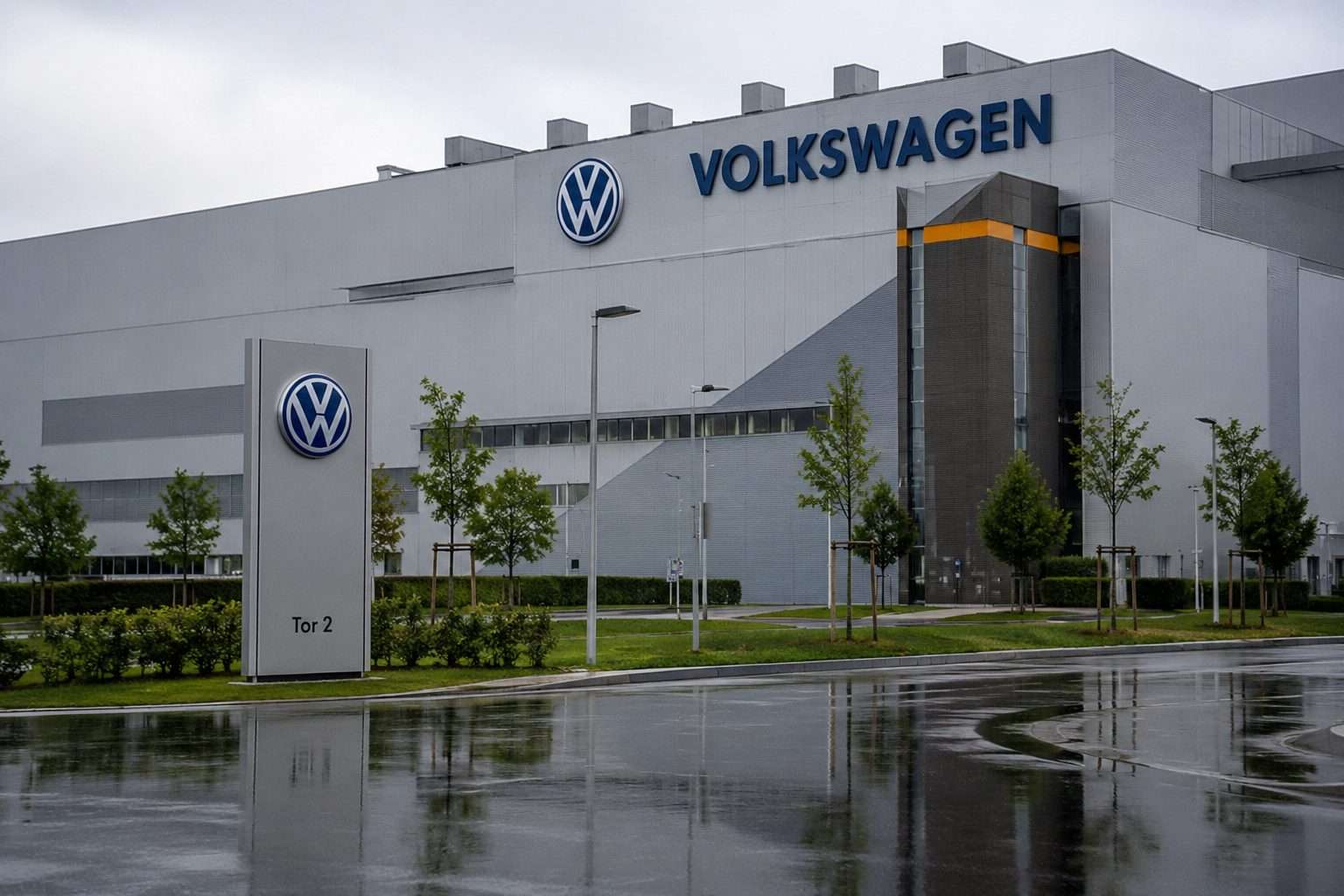
Volkswagen AG (ETR:VOW3) faces pressure from its home-state shareholder to use cars made in China as a way to protect its German plants. This comes as management considers a bigger restructuring than investors thought.
Lower Saxony premier Olaf Lies told DPA that Volkswagen could boost use of its German plants by making cars at home that are now built in China. “If we produced vehicles here that we currently make in China, we could stabilize capacity utilization of our plants,” Lies said. Lower Saxony owns 20% of VW voting rights and hosts five of the automaker’s six western German assembly sites. Reuters
Volkswagen’s proposal comes ahead of a July 9 supervisory board meeting that will look at possible closures in Hanover, Zwickau, Emden and at Audi’s Neckarsulm facility, with job cuts that could reach 100,000, according to two sources who spoke to Reuters on Friday. That would be close to 15% of VW’s workforce, which numbers 667,164 at the end of 2025. Just closing those four sites threatens more than 45,000 jobs.
Governance carries weight here. Lower Saxony keeps a blocking minority on major shareholder votes under the Volkswagen Law, and the 10 German labor reps on the 20-member VW supervisory board can veto broad factory-related moves. Porsche SE (ETR:PAH3) owns 53.3% of voting rights, Lower Saxony holds 20%, and Qatar has 17%.
VW shares keep falling. Preferred stock ended Friday at 74.28 euros on Xetra, off 3.91% for the day. The stock dropped 7.66% in the last five days and is down 28.27% since Jan. 1, MarketScreener data show. Reuters reported Friday the stock was near 16-year lows.
VW’s China ties cut both ways. The automaker reported April 13 that global deliveries dropped 4% in the first quarter to 2.05 million vehicles, with China sales down 15% and North America also falling 13%. BEV deliveries in China plunged 64% ahead of fresh local electric models, but BEV sales in Europe climbed 12%. “Very challenging economic and geopolitical conditions,” said Marco Schubert, who sits on VW’s sales committee. Volkswagen Group
Cost pressure is still a big issue for VW. First-quarter operating profit dropped 14% to 2.5 billion euros, with revenue down 2.5% at 75.7 billion euros. Reuters reported in April that U.S. tariffs may hit the group with about 4 billion euros in costs this year. CEO Oliver Blume said VW will look at which China-built models might suit Europe and if it can share European plant capacity with Chinese partners.
Some investors looking for quick cost cuts could read the Lower Saxony plan as stalling. “The high costs are merely a symptom, not the cause,” Deka’s Ingo Speich told Reuters on Friday. Matthias Schmidt, independent auto analyst, said: “The market reality is hitting the German giant hardest.” Reuters
Car sales in Europe edged higher in May, up 3.6% to 1.15 million vehicles across the EU, Britain and EFTA. VW, Renault (EPA:RNO) and Stellantis (BIT:STLAM) all lost ground, with registrations down 1% to 3%. Chinese brands posted big gains: Leapmotor (HKG:9863) soared 465.1%, Chery Automobile (HKG:9973) jumped 244.1%, and BYD (SHE:002594) climbed 136.6%. VW’s ongoing capacity talks continue as the market shifts.
Capacity pressure is hitting Porsche AG (ETR:P911) as well. Porsche wants to move Cayenne SUV production from Slovakia to Leipzig to get more out of its factory, the Frankfurter Allgemeine Zeitung said Saturday. Reuters said the move will only go ahead if workers accept lower wages, since pay in Slovakia is much less than what Porsche pays in Germany.
Lies sees a price gap. China-developed cars could go on German lines, but VW hasn’t proved it can build these cheaper, faster models at German cost levels. The supervisory board is set to talk broader restructuring July 9.