
SAN FRANCISCO, August 19, 2026, 14:12 PDT — Alphabet’s (NASDAQ:GOOGL) Waymo opened up its Ojai robotaxi for any rider in San Francisco on Wednesday. The new model gives passengers more space and a Gemini AI assistant for in-car controls and questions.
- Gemini is able to adjust the cabin temperature, describe the surroundings, and ask for a pullover.
- The assistant does not steer, reroute or get real-time driving data.
- Ojai has started taking passengers in San Francisco, Phoenix, and Los Angeles.
The key thing is the separation between the two AI systems. Gemini runs the chat, while the sixth-gen Waymo Driver keeps hold of all safety-critical driving work. That setup keeps the consumer model away from steering or routing decisions.
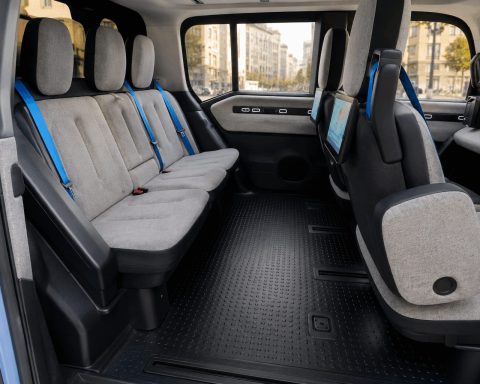
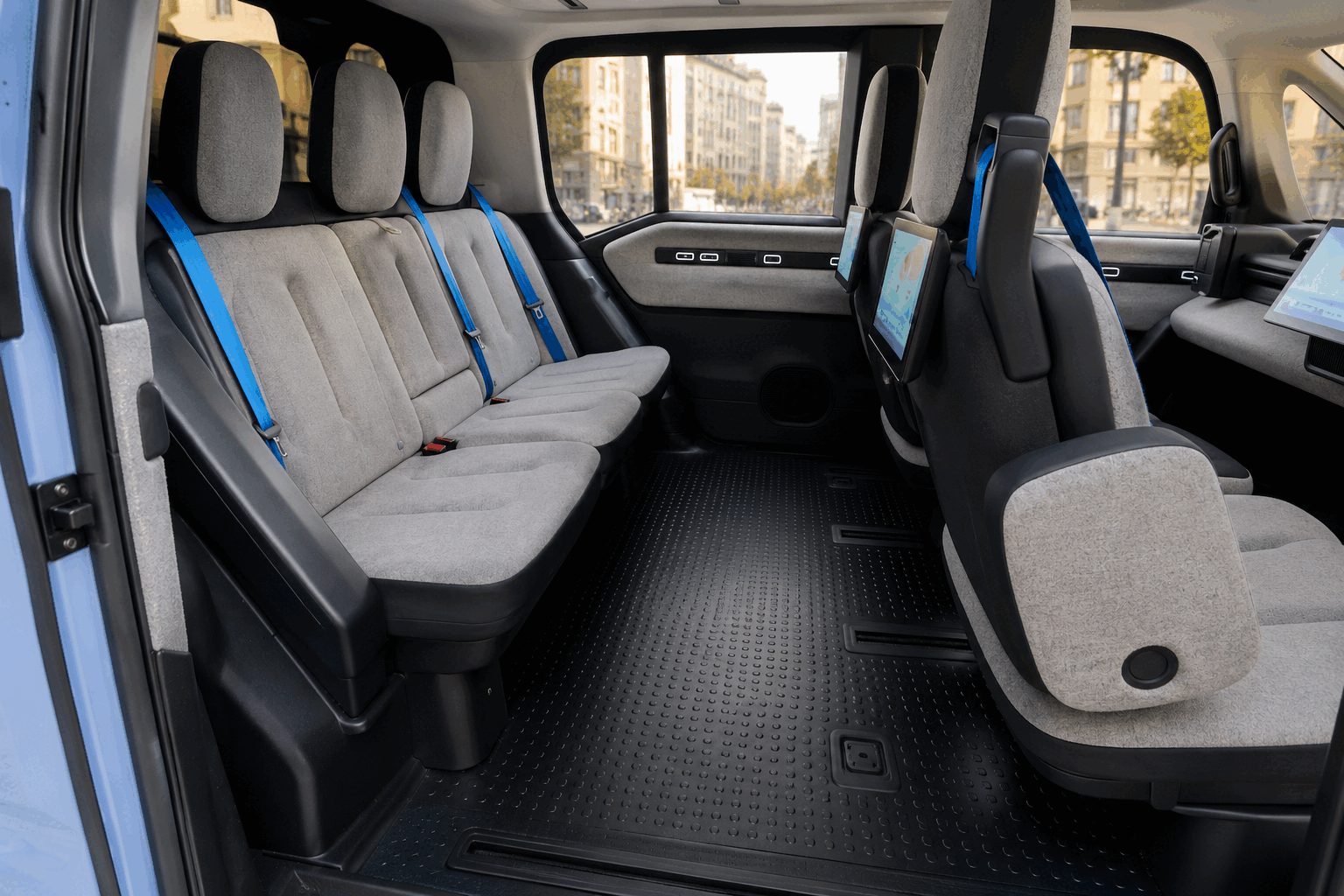
Ojai changes up the product on the software side. It’s got a low step, flat floor, wide doors, and three screens, aiming at airport runs, families, and riders with mobility needs. That means Waymo’s got a cabin designed for shared rides, not just a reworked luxury SUV.
| Fleet platform | Waymo Ojai | Jaguar I-PACE robotaxi |
|---|---|---|
| Vehicle basis | Electric van built just for ride-hailing | Electric SUV altered from a standard model |
| Waymo Driver | Sixth-gen | Fifth-gen |
| Passenger capacity | Seats four | Seats four |
| Cabin design | Flat floor, low step-in, three screens for riders | Normal SUV setup; no details on number of screens |
| Sensor suite | 13 cameras, six radars, four lidars | 29 cameras, six radars, five lidars |
| Gemini cabin assistant | Beta version out now | Not mentioned |
Riders tap an icon on the screen to turn on Gemini. They can use voice commands for things like adjusting the air conditioning, finding a coffee shop close by or getting info about a landmark. Gemini does nothing until the passenger activates it.
The line is clear. Gemini can tell the car to pull over, but it doesn’t take over driving or set the route. Waymo says live driving data doesn’t go to Gemini. So Gemini is used as a passenger tool, not a co-driver.
| Rider task | Gemini in Ojai | Direct screen interface |
|---|---|---|
| Adjust temperature | Use voice command | Touch the controls |
| Play music | Can request in the cabin | Use media options |
| Ask about the trip or Waymo | Gets a voice answer | Shows main trip info |
| Ask about nearby places | Works with voice | No details given |
| Request a pullover | Doable by voice | Ride controls allow it |
| Steer or reroute the vehicle | Not allowed | Not for riders |
| Activation | Rider has to turn it on | Always active |
The new interface puts info on three LED screens. Controls now adjust based on which seats are taken, so not every display is the same. Calm Mode dims things down, showing just the basic trip details.
Waymo has expanded Ojai’s public rollout past its test phase in May, when free rides were just for selected users in three cities. Now anybody on the service can use Ojai in San Francisco. Ojai cars are also running with passengers in Phoenix and Los Angeles.
| Market | Ojai status on August 19 | Latest verified access detail |
|---|---|---|
| San Francisco | Started passenger trips | Anyone on Waymo can use the service |
| Phoenix | Running passenger trips | Full access terms are undisclosed |
| Los Angeles | Running passenger trips | Full access terms are undisclosed |
| Denver | Expansion in the works | No word on launch timing |
| Las Vegas | Expansion in the works | No word on launch timing |
| San Diego | Expansion in the works | No word on launch timing |
The van comes with fewer sensors compared to Waymo’s Jaguar cars, though each new model can do more. Ojai has 13 cameras, six radars, and four lidars. “Even though we reduced the costs, we increased the capabilities,” a Waymo spokesperson said. Business Insider
Zeekr, part of Geely Automobile (HKG:0175), makes the electric van shells in China. Waymo puts its self-driving tech and software in at its U.S. facilities. In May, the company said its plant in Mesa, Arizona is ramping up toward making tens of thousands of units a year.
Competition is getting tougher. Zoox is running passenger rides in its own custom vehicles, and Uber Technologies (NYSE:UBER) wants to launch Bay Area robotaxis this fall. For Ojai, the question now is whether features like accessibility and an in-cabin assistant can drive people to use it again, and not just try it out once.
Risks: Gemini is still in beta and might get voice requests wrong. Waymo hasn’t shared Ojai costs, assistant take-up, or reliability figures. During one media run in May, the car needed help from a rider after two stops. Wider deployment could show flaws sooner.
Related articles: Artificial Intelligence