Sydney, March 24, 2026, 07:40 AEDT
Monday brought a jolt to both Australian markets and the government’s fuel-supply narrative as the Iran conflict unsettled energy prices, only for a late shift in U.S. military plans to briefly ease the tension. President Donald Trump announced a halt to planned strikes on Iranian power plants, a reversal after stocks in Sydney had already lost ground and ministers faced renewed scrutiny on fuel security. 1
This is a bigger deal for Australia than for many peers, since roughly 90% of its fuel is shipped in — and domestic shortages have already been flagged. Energy Minister Chris Bowen pointed out that six shipments slated for delivery between mid-April and mid-May were either cancelled or pushed back, though replacements have filled some of those gaps. He reiterated that rationing isn’t on the table “a long way” off. The Strait of Hormuz, now effectively shut by Iran, typically handles about 20% of the world’s oil and LNG traffic. 2
The International Energy Agency, based in Paris and known for advising oil-importing nations, reported that the war has already knocked out 11 million barrels per day from global supply, hitting Asia-Pacific economies hardest. Executive Director Fatih Birol, speaking from Canberra, said more emergency stock releases are on the table and called the conflict a “major, major threat” to the world economy. 3
The ASX 200 wrapped up in Sydney down 0.7% at 8,366, after earlier tumbling close to 2%—enough to nudge March’s losses past 10%, the threshold traders use for a correction. By the time Australian markets shut, Japan’s Nikkei and Hong Kong’s Hang Seng had each dropped roughly 3.5%. Shanghai closed lower by about 2.5%. Gold fell 2.6%, trading near $4,370 an ounce. AMP chief economist Shane Oliver called it “still early days” for the oil shock. 4
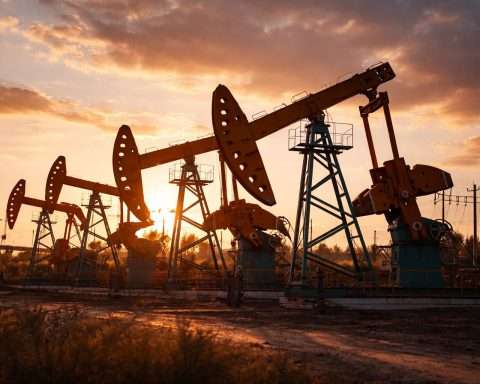
Late in New York trading, sentiment flipped. Brent tumbled 10.9%, settling at $99.94 a barrel, while U.S. crude finished at $88.13. That move came after Trump described “productive” talks with Tehran. The S&P 500, Dow, and Nasdaq all climbed more than 1%. Iran, for its part, denied holding direct talks and accused Washington of trying to sway oil and financial markets. “Nothing else really matters to people in the short term,” said Bob Doll, chief investment officer at Crossmark Global Investments, following the oil drop. 5
Parliament in Canberra felt the tremors too. Crossbenchers pressed again for a windfall tax on gas exporters—targeting profits that have jumped unexpectedly. Industry Minister Tim Ayres, for his part, said the government was coordinating with regional partners to shore up fuel supplies. Details on a federal gas reservation plan, aimed at keeping more gas within Australia, would be hammered out in cabinet. 6
Rising fuel costs are already biting into company budgets. Fortescue’s metals and operations boss Dino Otranto pegged a 10-cent diesel price swing as a $70 million hit to the miner’s expenses. For the industry’s top four, that quickly adds up to about $500 million. Reuters also flagged another twist: gasoline shipments from Europe and the U.S. are getting rerouted to Asia, and Exxon Mobil has already sent U.S. cargoes toward Australia. 7
The downside is hard to ignore. Stockpile releases, Birol cautioned, can only “reduce the pain”—they’re not a fix for the broader supply crunch. Bowen flagged more “bumps” ahead for deliveries, even if most of those April and May tankers turn up as planned. For Australia, cheaper oil could soften the next open, but won’t erase ongoing supply chain headaches, seen already in rising replacement fuel costs and higher diesel bills for miners. 8