
LONDON, July 1, 2026, 19:15 BST
- Glencore shares in London were at 512.30p as of 17:17 GMT, off 1.50p for the session, based on the company’s delayed quote.
- Congo will forfeit unused first-half cobalt export quotas, unless shipments are declared in customs by July 5 to count for the first-half rights.
- Glencore’s July 29 half-year production report is set to show if Q2 copper output stayed on track with its full-year goals.
- Copper dropped 1.19% on July 1 and is off almost 8% for the month, bringing more price risk ahead of Glencore’s production update.
Glencore plc (LON:GLEN) edged lower in London Wednesday, but the real trade could be timing the next major release. The company scheduled July 29 for its 2026 half-year production report, putting focus on whether Glencore can hold the line on cobalt shipments from Congo and keep copper output on the ramp it set out in April. Glencore’s website showed shares at 512.30p as of 17:17 GMT, off 1.50p, with a 10-minute price delay.
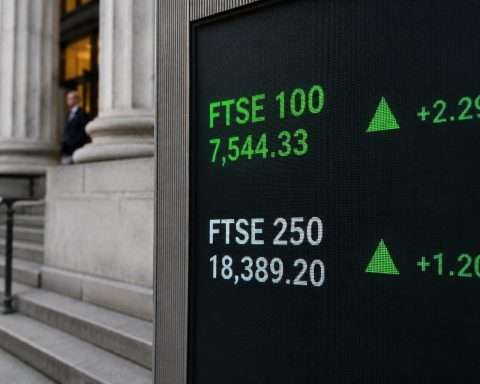
The stock barely budged while London shares slipped. The FTSE 100 ended off 0.2% as healthcare and energy names weighed. Precious metals miners led gainers, rising 3.3%, according to Reuters.
| Market check | Latest figure | Why it matters for Glencore |
|---|---|---|
| Glencore LSE share price | 512.30p, off 1.50p | Shares softened ahead of production stats |
| FTSE 100 | down 0.2% | Glencore tracked other big stocks as index slipped |
| Copper | $6.12/lb, off 1.19% July 1 | Tone has cooled as H1 figures approach |
| Cobalt | $56,290/tonne June 30, up 68.86% vs last year | Quotas keep prices up more than spot demand |
Congo is moving to tighten control on cobalt exports. The Democratic Republic of Congo will pull back any unused export rights granted for the first half of the year and shift them to a state-owned group, Reuters reported June 29. Regulators said any rights left unused after June 30 are forfeited. Only shipments registered with customs by July 5 will count under the first-half quota.
Glencore is among the companies with exposure. The miner runs operations in Congo, the world’s top cobalt producer. Reuters said CMOC and Glencore rank first and second in global cobalt output and both have operations in Congo, where Eurasian Resources Group and Huayou Cobalt also operate. Cobalt prices jumped 160% since February 2025 to $26 per pound, or $57,320 per tonne, as Congo’s export restrictions hit supply, Reuters reported.
Glencore told investors about the mine changes earlier. In its first-quarter report, it said cobalt produced at KCC and Mutanda over quota would stay in-country until it could be sold “as circumstances allow.” The company also said Q1 2026 quotas not used would be valid through June 30 and expected cobalt exports to get back to normal during the year, using up the rest of the 2026 quota. Glencore
Glencore’s latest numbers suggest July 29 could matter more than a routine production update. The company produced 5,800 tonnes of own-sourced cobalt in Q1, down 39% year-over-year. If annualised, that comes to 23,200 tonnes, which is only slightly above its 2026 cobalt allocation of 22,800 tonnes with 2025 carryover included. That puts more focus on the export quota, inventory accounting and customs timing, with cash conversion hinging as much on those as mine output.
| Glencore Q1 output | Q1 2026 | Q1 2025 | Change | Investor read-through |
|---|---|---|---|---|
| Copper | 199.6 kt | 167.9 kt | +19% | Q2 run rate of something like 189-218 kt needed to hit first half range in full-year guidance |
| Cobalt | 5.8 kt | 9.5 kt | -39% | Output and exports shaped by quota regime |
| Zinc | 176.9 kt | 213.6 kt | -17% | Mix outside copper is light on base metals |
| Steelmaking coal | 6.5 mt | 8.3 mt | -22% | More production expected in H2 |
Glencore CEO Gary Nagle said in April that first-quarter output met expectations and 2026 guidance stayed the same. Nagle said higher commodity prices at the time looked set to offset rising input costs, adding that the company’s marketing unit was on pace to beat the upper end of its long-term adjusted EBIT range if the Q1 trend held.
The cushion in copper prices has shrunk. Copper traded at $6.12 per pound on July 1, down 1.19% that day and off 7.98% for the month, Trading Economics data showed. Year-on-year, though, prices were still up 18.91%. Glencore’s April outlook kept full-year copper output at 810,000 to 870,000 tonnes, with production weighted 48% in the first half and 52% in the second.
On that split in the outlook, Glencore needs around 189,000 to 218,000 tonnes of copper in Q2 to reach its first-half target, after putting up 199,600 tonnes in Q1. For the second half, it would have to deliver about 421,000 to 452,000 tonnes to meet the H2 guidance. Glencore said the Collahuasi mine is expected to do most of the heavy lifting in H2 as access to primary ore and desalinated water gets better.
Reuters columnist Andy Home said Wednesday that battery-metals have mostly bounced back thanks to supply controls, with Congo holding back exports since February last year. He pointed to figures from Benchmark Mineral Intelligence showing global EV sales up just 0.9% for January-May, compared to a 20% jump in 2025.
Glencore faces a mixed setup. Cobalt prices have stayed strong on tight supply, but demand is patchy. Copper is higher year on year, but recent weakness has eaten into the cushion for its H1 results. The next report may come down less to production and more to the inventory—how much copper Glencore has on hand, what it can ship, and if its output will be enough to keep 2026 targets in play.