
HOUSTON, May 7, 2026, 17:02 CDT
- The IEA estimates the Iran war has wiped roughly 120 billion cubic metres of global LNG supply from the 2026-2030 outlook.
- NextDecade plans to add more vessels to its Rio Grande LNG fleet, shifting shipping risk further toward long-term contracts.
- European and Asian buyers are vying for flexible cargoes, putting U.S. exporters more in the spotlight.
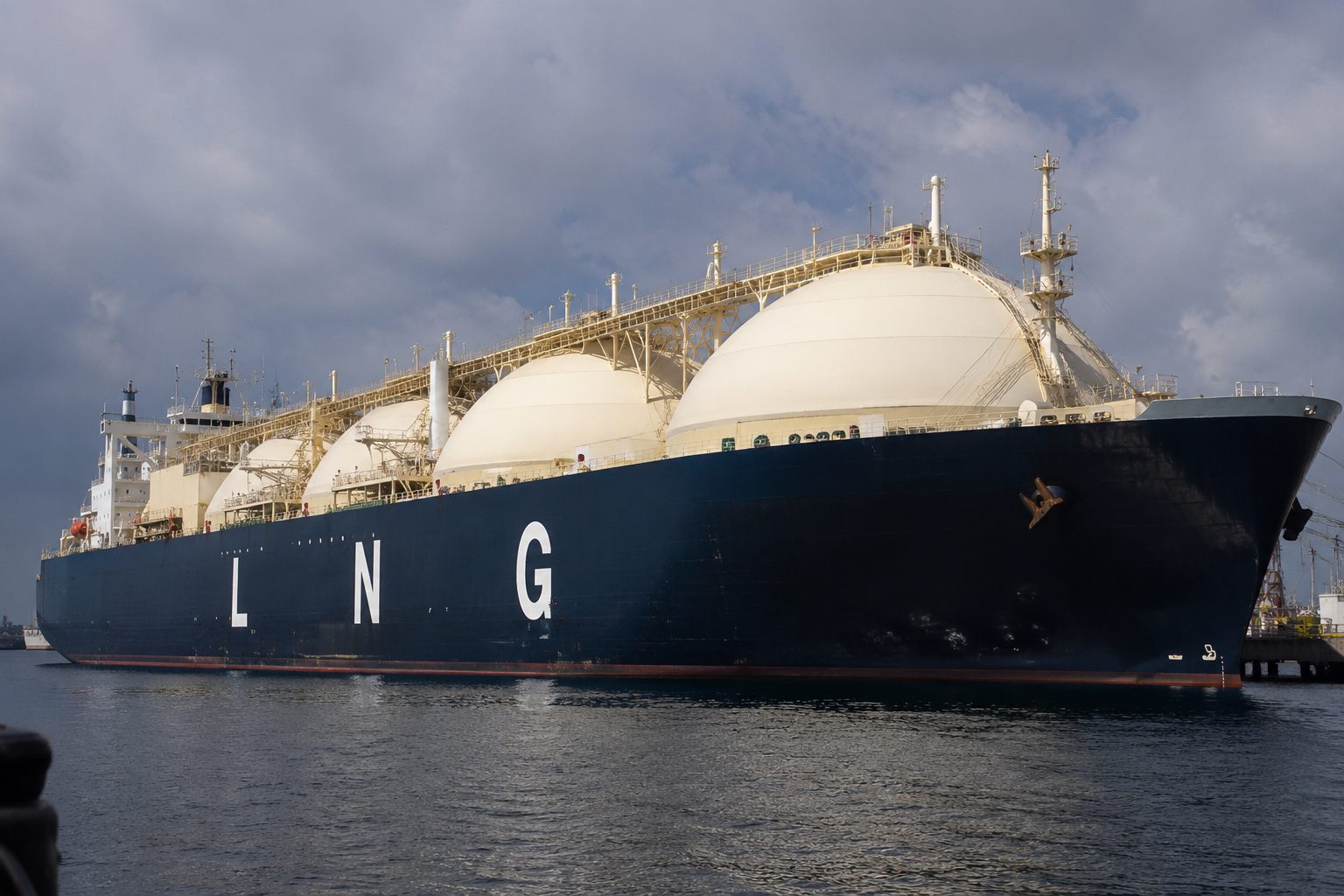
NextDecade is looking to line up additional LNG carriers, with the Middle East conflict shuffling LNG trade routes and driving exporters to lock in shipping capacity for extended periods. LNG—short for liquefied natural gas—refers to gas cooled into a liquid state to ship in tankers.
The International Energy Agency flagged on Thursday that the Iran war has taken roughly 120 billion cubic metres of global LNG supply off the table for 2026 through 2030. IEA analyst Gergely Molnar, speaking at the Budapest LNG Summit, warned that market tightness could persist longer than earlier forecasts suggested.
Molnar put the LNG supply hit at roughly 15%, citing the crisis, and noted that 17% of Qatar’s LNG export capacity was currently offline due to attacks. According to the IEA, EU storage levels are sitting 30% under the five-year average, so the bloc will require another 10 bcm of gas to reach its winter-fill goal of 90%.
The shift has pushed shipping out of the back office and into the risk spotlight. Peter Fitzpatrick, vice president of shipping at NextDecade, noted that companies got used to snapping up LNG vessels on the spot market when supply ran long. Now, with volatility up, that’s changing. “The long-term impact” will be a move toward more dedicated shipping, Fitzpatrick said at Lloyd’s Register’s Global LNG Forum in Houston—giving companies the tools to “manage your own risk.” Reuters
NextDecade CEO Matt Schatzman said the firm has five ships under charter so far, with three of those being newbuilds from Dynagas on long-term deals linked to its delivered-ex-ship contract with Guangdong Energy. Under delivered-ex-ship terms, the seller takes care of transport all the way to the buyer’s port, not just up to the export terminal.
NextDecade will bring in more short-term vessels to handle Phase 1 volumes that exceed current firm sales, Schatzman said. For Trains 4 and 5, some firm capacity still hasn’t been locked in, so the company is also looking at options for longer-term shipping. “But we will be chartering more ships, simply put,” Schatzman added. LNG Prime
NextDecade is pressing ahead with construction at its Rio Grande LNG site near Brownsville, Texas, where five trains are in the works and designed to deliver roughly 30 million tonnes per annum of output. The company said Train 1 has reached the early stages of electrical commissioning, putting it on track for initial gas in the back half of 2026 and first LNG production in the first half of 2027.
Expansion plans are moving forward. NextDecade aims to submit its full Federal Energy Regulatory Commission application for Train 6 before the second quarter wraps up. CEO Schatzman told reporters a permit might land by mid-2027, which positions the company to make its final investment decision in the back half of 2027—provided Train 6 is both commercialized and financed.
U.S. suppliers are tightening their grip as the market feels the pinch. In April, LNG shipments from the U.S. to Asia jumped, responding to a drop in Middle East supply. Even so, Europe continued to absorb about 56% of U.S. LNG that month, according to LSEG ship-tracking data reported by Reuters.
Competition isn’t standing still. Cheniere Energy, the top U.S. LNG producer, pointed to Middle East turmoil squeezing global LNG supplies and pushing up the fight for U.S. spot cargoes. In April, Golden Pass—a QatarEnergy and Exxon Mobil joint project—sent out its inaugural LNG shipment. And the U.S. Energy Information Administration projects American export capacity will almost double by 2031 compared to December 2025.
But it’s not all smooth sailing. Fitzpatrick flagged gas-turbine supply as a sticking point—U.S. LNG developers weighing final investment decisions may find themselves squeezed, as both LNG projects and hungry data centers chase the same gear. He also cited tough stances from European buyers on long-term contracts, plus the drag of high interest rates.
NextDecade flagged that building out more trains will hinge on winning government sign-offs, securing commercial and financing deals, and, where possible, locking in tax breaks, plus a final investment decision. Should the near-term market soften or more capacity get sold under other terms, the company might find itself needing less long-term shipping than previously projected.
Right now, producers aren’t mincing words: flexible cargoes count for more, and so do the vessels that can deliver them. According to the IEA, fresh liquefaction capacity is expected to eventually make up for lost supply from Qatar and the UAE. Still, the near-term squeeze is sharp enough to push long-term shipping deals back to the forefront of LNG talks.