Space 17 January 2026 - 11 March 2026

NASA Satellite Re-entry Alert: Van Allen Probe A’s Final Descent Carries Low Risk

NASA Satellite Re-entry Alert: Van Allen Probe A’s Final Descent Carries Low Risk

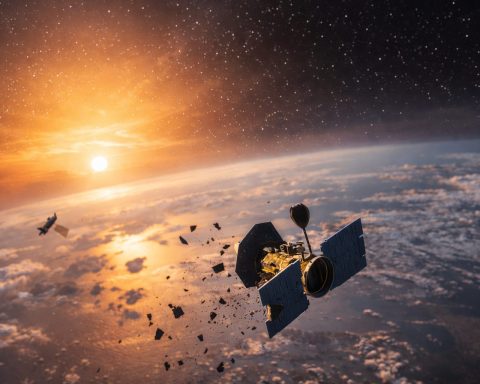
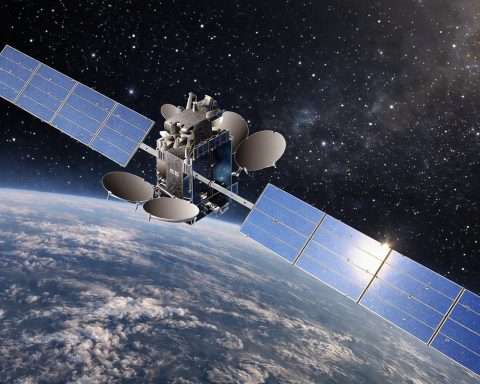
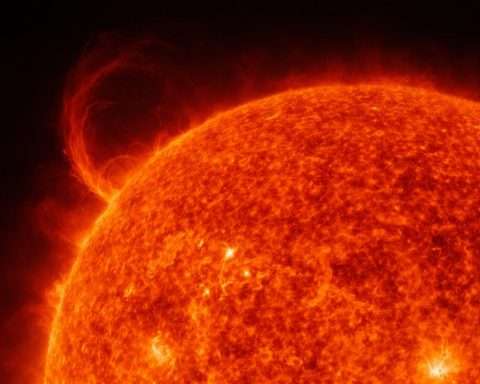
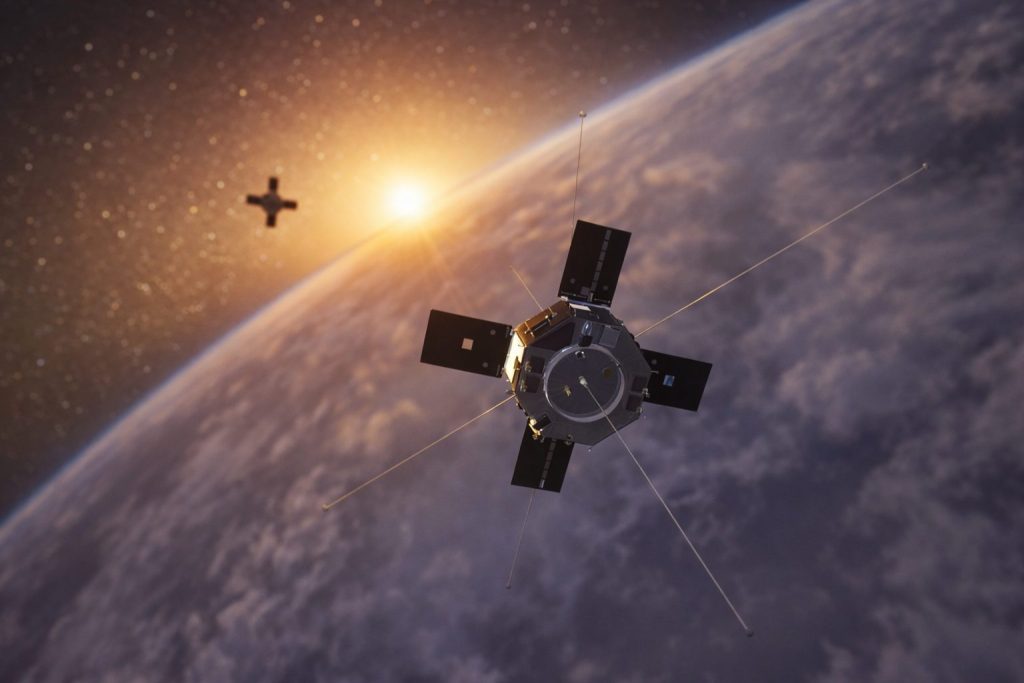
The U.S. Space Force now projects NASA’s retired Van Allen Probe A will re-enter Earth’s atmosphere around 12:03 a.m. ET Wednesday, later than NASA’s earlier estimate. Most of the 1,323-pound spacecraft is expected to burn up, with a 1 in 4,200 chance of causing harm on the ground. The probe is falling years early due to increased solar activity. Precise re-entry timing remains uncertain.
March 11, 2026
NASA satellite crash today: Van Allen Probe A heads for Earth years earlier than expected

NASA satellite crash today: Van Allen Probe A heads for Earth years earlier than expected

NASA's retired Van Allen Probe A was expected to re-enter Earth's atmosphere Tuesday evening, with debris possibly surviving the descent, according to the U.S. Space Force. NASA estimated a 1 in 4,200 chance of harm to people. The probe is returning years ahead of schedule due to increased atmospheric drag from solar activity. The exact timing and location of re-entry remain uncertain.
March 11, 2026
NASA Satellite Crash Alert: Van Allen Probe A Set for Earth Re-Entry With Low Risk to People

NASA Satellite Crash Alert: Van Allen Probe A Set for Earth Re-Entry With Low Risk to People

NASA said its defunct Van Allen Probe A satellite, weighing 1,323 pounds, is expected to re-enter Earth’s atmosphere around 7:45 p.m. EDT Tuesday, with some debris likely to survive. Officials say there is no targeted landing area and the exact timing remains uncertain. The mission ended in 2019, years earlier than planned, after increased solar activity accelerated the craft’s descent. NASA maintains the risk to the public is low.
March 10, 2026
SpaceX’s Starlink phone idea surfaces as IPO plans and new services take shape

SpaceX’s Starlink phone idea surfaces as IPO plans and new services take shape

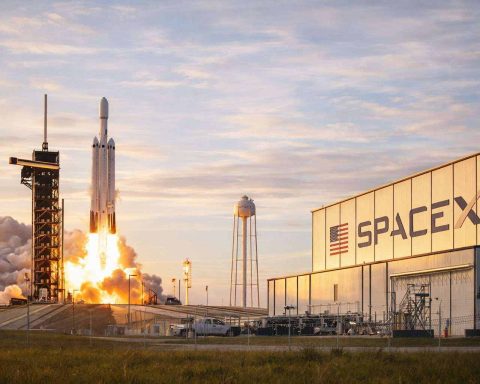
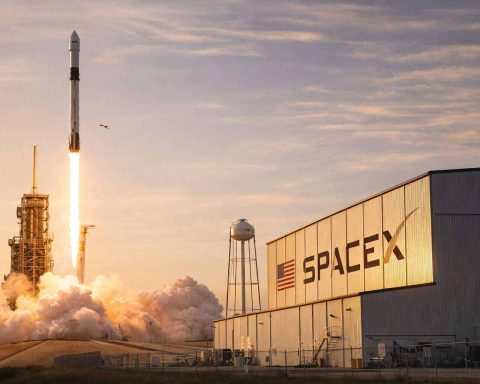
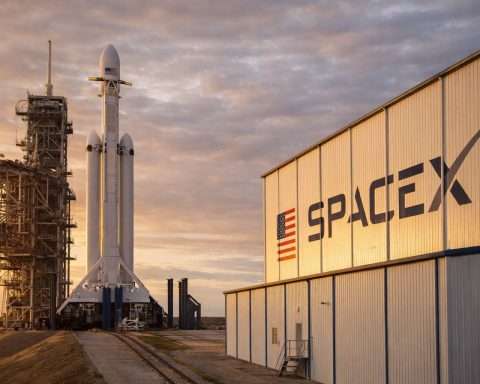
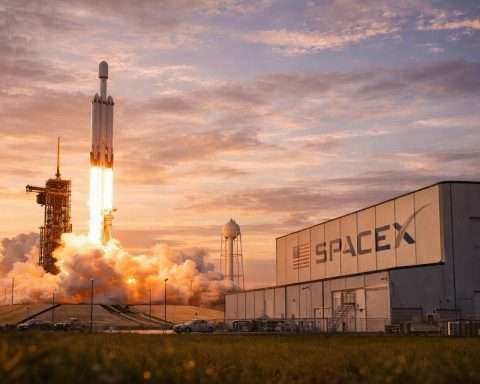
SpaceX announced its Stargaze service to track low-Earth orbit traffic using Starlink satellites. Sources say the company is developing a Starlink-connected phone and direct-to-device internet. Starlink generated an estimated $8 billion profit on $15–16 billion revenue in 2025, making up most of SpaceX’s earnings. SpaceX is also preparing for a possible IPO later this year.
February 5, 2026
Pentagon urged to probe SpaceX over possible Chinese ownership — why it’s suddenly a flashpoint

Pentagon urged to probe SpaceX over possible Chinese ownership — why it’s suddenly a flashpoint

Democratic senators have asked the Pentagon to investigate SpaceX after reports that Chinese investors secretly acquired stakes in the company through offshore entities. The lawmakers cited national security risks tied to SpaceX’s military launches and Starlink operations. They requested a review of foreign-ownership regulations and a possible CFIUS investigation. The Defense Department was asked to respond by February 20.
February 5, 2026
Amazon AWS CEO says space data centers are ‘pretty far’ off as Musk bets on orbital AI

Amazon AWS CEO says space data centers are ‘pretty far’ off as Musk bets on orbital AI

AWS chief Matt Garman called orbital data centers uneconomical due to high rocket and launch costs. Elon Musk, after merging SpaceX and xAI, said “space-based AI is obviously the only way to scale” and filed plans for up to 1 million AI-focused satellites. Google and Blue Origin are also exploring space-based computing. No clear timeline for these projects has been disclosed.
February 4, 2026
Singapore forms National Space Agency of Singapore (NSAS) to chase the $1.8 trillion space economy forecast for 2035

Singapore forms National Space Agency of Singapore (NSAS) to chase the $1.8 trillion space economy forecast for 2035

Singapore will launch its National Space Agency (NSAS) on April 1, 2026, under the Ministry of Trade and Industry. The agency will oversee national space capabilities, draft space laws, and manage operations, taking over from the Office for Space Technology & Industry. Singapore currently hosts about 70 space companies and co-owns three Earth observation satellites with ST Engineering.
February 2, 2026
SpaceX asks FCC to approve 1 million solar-powered AI data-center satellites

SpaceX asks FCC to approve 1 million solar-powered AI data-center satellites

SpaceX has asked the FCC for approval to launch up to 1 million solar-powered satellites as orbital data centers for AI processing. The company says the satellites would use laser links for data transfer, with Ka-band radio as backup. The filing also seeks waivers to speed up regulatory review. The request follows reports of possible merger talks between SpaceX and xAI.
February 1, 2026
Ukraine turns to Elon Musk’s SpaceX after Russian drones are found using Starlink

Ukraine turns to Elon Musk’s SpaceX after Russian drones are found using Starlink

Ukraine is working with SpaceX to block Russian drones from using Starlink satellite internet, officials said Thursday. Defense adviser Serhiy Beskrestnov reported “hundreds” of Russian drone attacks using Starlink gear. Kyiv relies on Starlink for its own battlefield communications and drone control. SpaceX said it responded quickly after Ukraine raised the alarm.
January 29, 2026
Rocket Lab’s first 2026 launch puts Open Cosmos telecom satellites in orbit — and the Europe angle is getting louder

Rocket Lab’s first 2026 launch puts Open Cosmos telecom satellites in orbit — and the Europe angle is getting louder

Rocket Lab’s Electron rocket launched two Open Cosmos satellites into a 1,050-km orbit Thursday, marking the start of Open Cosmos’ low-Earth-orbit telecom constellation. The mission, named “The Cosmos Will See You Now,” lifted off from New Zealand’s Mahia Peninsula at 11:52 p.m. local time. Open Cosmos said the launch follows its recent acquisition of high-priority Ka-band spectrum for broadband services.
January 22, 2026
Bezos’ Blue Origin takes on Starlink with TeraWave plan for 5,408 satellites

Bezos’ Blue Origin takes on Starlink with TeraWave plan for 5,408 satellites

Blue Origin announced plans to begin deploying its TeraWave satellite constellation in late 2027, targeting enterprise, data center, and government clients. The network will use 5,408 satellites in low and medium Earth orbit, offering symmetrical speeds up to 6 terabits per second. TeraWave will not serve individual consumers. Pricing and revenue targets have not been disclosed.
January 22, 2026
Bezos’ Blue Origin takes on Starlink with 5,408-satellite TeraWave network plan

Bezos’ Blue Origin takes on Starlink with 5,408-satellite TeraWave network plan

Blue Origin announced plans to deploy TeraWave, a 5,408-satellite network for enterprise and government clients, starting in late 2027. The company says the system will deliver up to 6 terabits per second and has filed for FCC approval. TeraWave would join Amazon’s Leo network as a second Bezos-linked constellation, as SpaceX’s Starlink remains the market leader.
January 22, 2026
NASA’s Suni Williams retires after Starliner saga, ending a record-setting run

NASA’s Suni Williams retires after Starliner saga, ending a record-setting run

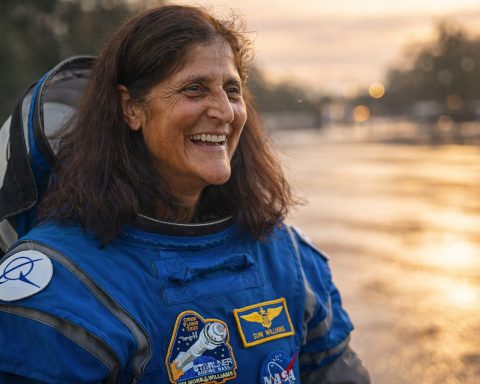
NASA confirmed astronaut Sunita Williams retired Dec. 27, 2025, after 608 days in space and a record 62 hours of spacewalks for a woman. Her final mission, intended to last a week, stretched to nine months due to Boeing Starliner issues, forcing her return on SpaceX. NASA will delay crewed Starliner flights until technical problems are fixed, relying solely on SpaceX for now.
January 21, 2026
Comet 3I/ATLAS suddenly looks “fully active” — and astronomers say the window is closing

Comet 3I/ATLAS suddenly looks “fully active” — and astronomers say the window is closing

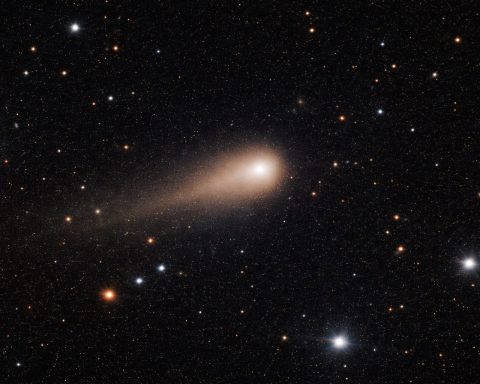
NASA’s SPHEREx telescope recorded a surge in gas and dust from interstellar comet 3I/ATLAS after its close solar approach. The comet, only the third confirmed interstellar object in the solar system, will reach opposition on Jan. 22, offering extended nighttime viewing. Researchers detected water and carbon monoxide emissions about 20 times higher than earlier readings. 3I/ATLAS is already leaving the solar system.
January 20, 2026
ISS-grown bacteria-killing viruses return to Earth and hit E. coli harder, study finds

ISS-grown bacteria-killing viruses return to Earth and hit E. coli harder, study finds

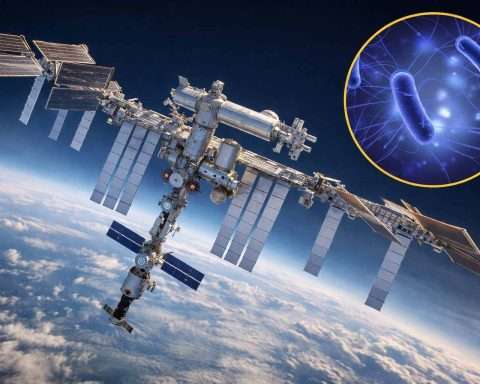
Bacteriophages evolved aboard the International Space Station became more effective at killing certain UTI-causing E. coli strains once returned to Earth, researchers at the University of Wisconsin-Madison reported. Microgravity delayed early infections and led to unique mutations in both the viruses and bacteria. Scientists say scaling up such space-based experiments remains difficult.
January 20, 2026
NASA’s TESS abruptly pivots to watch interstellar comet 3I/ATLAS — what it’s looking for

NASA’s TESS abruptly pivots to watch interstellar comet 3I/ATLAS — what it’s looking for

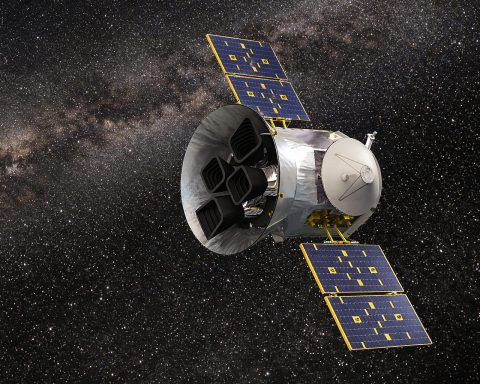
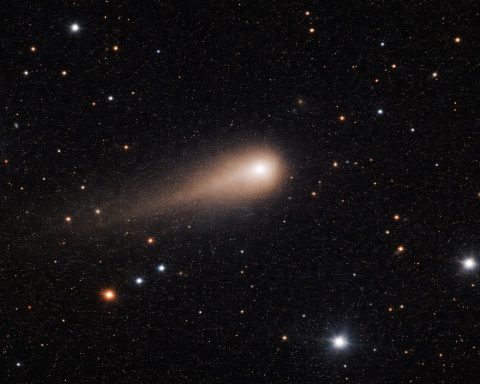
NASA said Friday its TESS satellite will pause regular observations this month to track interstellar comet 3I/ATLAS, only the third such object ever confirmed. Data from the campaign will be calibrated and released to the public immediately. The comet, discovered in July 2025, passed closest to the sun in October and will remain visible with small telescopes into spring 2026.
January 17, 2026